How to Find Emotional Support When Family and Friends Can't Help
When life becomes overwhelming, most of us instinctively turn to the people closest to us.
Our partner.
Our family.
Our friends.
But what happens when they can't give us the support we need?
Perhaps they don't understand what you're going through.
Maybe they're too emotionally involved.
Or perhaps you don't want to burden them with your worries.
If you've ever thought:
"I don't have anyone to talk to."
"My friends just don't understand."
"I don't want to keep bothering my family."
"I feel completely alone."
You're not alone.
Many people discover that even with loving family and supportive friends, they still feel emotionally isolated.
That doesn't mean the people around you don't care.
It simply means that sometimes, the right support comes from somewhere else.
In this guide, we'll explore why friends and family aren't always enough, where you can find emotional support, and why talking to someone who understands can make all the difference.
Looking for Someone Who Understands?
Sometimes the people who love us most aren't the people who understand us best.
At Maambo, we connect adults with trained mentors who have experienced similar life challenges.
Whether you're navigating loneliness, divorce, grief, burnout, parenting pressures, relationship difficulties, or another major life event, you can have a private conversation with someone who genuinely understands because they've been there themselves.
Discover the power of talking to someone who understands.
[Find Someone to Talk To]
Why Family and Friends Aren't Always Enough
This isn't because they don't care.
Often, it's because they're too close to the situation.
The people who love us usually want to solve our problems.
They want us to feel better.
They want to protect us.
Unfortunately, this can sometimes lead to conversations that feel frustrating rather than supportive.
They Want to Fix Everything
Many people respond with advice.
They'll say things like:
"You'll be fine."
"Just stay positive."
"Everything happens for a reason."
"Try not to think about it."
While these comments usually come from kindness, they don't always make us feel understood.
Sometimes we don't need solutions.
We simply need someone to listen.
They May Be Emotionally Involved
Family members are often affected by what you're going through.
That means they may:
Become upset themselves.
Worry excessively.
Try to influence your decisions.
Encourage you to do what they think is best.
This can make it difficult to speak openly.
They Haven't Experienced What You're Going Through
It's hard to fully understand an experience you've never had.
Someone who has never experienced:
Burnout
Divorce
Grief
Loneliness
Redundancy
Relationship breakdown
Parenting challenges
...may genuinely want to help but struggle to relate.
Sometimes understanding matters more than advice.
Signs You Need Additional Emotional Support
Many people continue struggling alone because they believe they should be able to cope.
You may benefit from additional emotional support if:
You feel lonely despite having people around you.
You avoid talking about your feelings.
You worry about burdening friends or family.
You keep replaying the same thoughts.
You feel misunderstood.
You're going through a major life change.
You don't feel comfortable speaking honestly with those closest to you.
Needing support isn't weakness.
It's human.
Where Can You Find Emotional Support?
The good news is that emotional support doesn't only come from family and friends.
There are many places where people find meaningful connection.
Support Groups
Speaking with others facing similar challenges can help reduce feelings of isolation.
Many people find comfort in knowing they're not the only person experiencing a particular situation.
Community Groups
Volunteering, hobby groups, walking clubs, and local organisations can create opportunities for genuine connection.
Sometimes emotional support grows naturally through shared experiences.
Therapy
If you're experiencing significant emotional distress or mental health difficulties, therapy can be an excellent source of professional support.
Therapists provide clinical expertise and evidence-based approaches to help people understand and manage their thoughts, feelings, and behaviours.
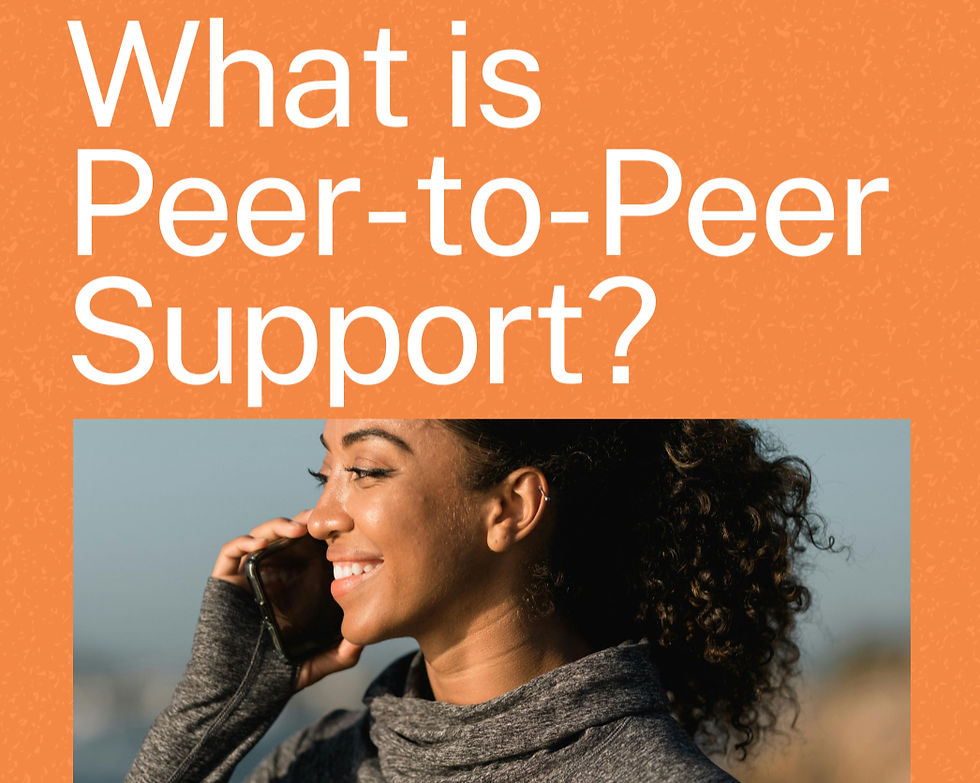
Peer-to-Peer Support
Peer support offers something different.
Instead of speaking with someone who has studied your situation, you're speaking with someone who has lived it.
That shared experience can create a unique sense of understanding.
Why Talking to Someone Who Understands Feels Different
Imagine you're going through a divorce.
Your family may sympathise.
Your friends may offer advice.
But speaking with someone who has personally rebuilt their life after divorce often feels different.
They understand the emotions because they've experienced them.
The same is true for:
Burnout
Loneliness
Grief
Parenting struggles
Major life transitions
Relationship challenges
When someone says:
"I've been there."
You don't need to explain everything.
They understand.
You Don't Have to Wait Until You're in Crisis
One of the biggest misconceptions about emotional support is that you should only seek it when things become unbearable.
In reality, many people benefit from talking long before reaching crisis point.
Sometimes a single conversation can help you:
Organise your thoughts.
Feel less overwhelmed.
Gain perspective.
Feel heard.
Build confidence.
Seeking support early often prevents problems from becoming bigger.
The Importance of Being Heard
People often assume emotional support is about receiving advice.
It isn't.
Sometimes the most powerful thing another person can do is simply listen.
Without interrupting.
Without judging.
Without trying to fix everything.
Feeling heard can be incredibly healing.
It reminds us that our experiences matter.
That our feelings are valid.
That we're not carrying everything alone.
Why Maambo Is Different?
At Maambo, we believe everyone deserves someone who understands.
That's why every mentor on our platform has lived experience of the challenges they support people through.
Our mentors aren't there to diagnose you.
They're not there to tell you how to live your life.
They're there to provide something many people struggle to find:
Understanding.
Whether you're dealing with:
Loneliness
Burnout
Divorce
Grief
Parenting pressures
Relationship difficulties
Major life transitions
You'll speak with someone who understands because they've walked a similar path.
Every conversation is:
Private
Confidential
Compassionate
Non-judgemental
Focused entirely on you
"But Why Would I Talk to Someone I Don't Know?"
It's one of the questions we hear most often.
The answer surprises many people.
Because you're not talking to just any stranger.
You're talking to someone who understands your experience.
Many people actually find it easier to speak openly with someone outside their immediate circle.
There's no fear of being judged at the next family gathering.
No worrying about upsetting your loved ones.
No pressure to protect other people's feelings.
Just a safe conversation where you can be yourself.
Ready to Find Someone Who Understands?
You don't have to carry everything on your own.
Whether you're feeling lonely, overwhelmed, stuck, or simply need someone to talk to, support is available.
At Maambo, you'll find trained mentors who have faced similar life challenges and are ready to listen.
Sometimes the first step towards feeling better isn't finding all the answers.
It's having one meaningful conversation.
Find someone who understands at Maambo today.
[Book a Conversation]
Final Thoughts
Family and friends are incredibly important.
But they don't always have to be your only source of support.
Sometimes the most helpful conversation comes from someone who isn't emotionally involved.
Someone who won't judge you.
Someone who won't tell you what to do.
Someone who simply understands because they've been there themselves.
Life's challenges can feel overwhelming when you carry them alone.
But they often become more manageable when you share them with someone who genuinely understands.
Because emotional support isn't about having all the answers.
It's about knowing you don't have to face life's challenges on your own.


Comments